
Performing a safe visual inspection from the ground
A ground level check lets you spot obvious issues without any risk of climbing. Walk around the house on a clear day and look up at the roof edges and slopes. Binoculars help you see details like shingle edges or flashing without getting closer.
Pay attention to the condition of the gutters and downspouts as you go. Debris buildup or sagging can point to problems higher up. Check how the roof meets the walls and look for any obvious dips in the overall shape.
Repeat the walk from several angles if trees or neighboring buildings block part of the view. Note any changes since the last time you looked. Keep a simple notebook so you can track what you see over the seasons.
Recognizing common warning signs like missing shingles or leaks
Missing shingles often show up first as bare spots or uneven patches when sunlight hits the roof. These gaps let water reach the layers underneath and speed up further wear. Look for the same pattern after heavy winds or hail.
Water stains on ceilings or walls inside the house usually mean a leak has already started. Check the attic space on a sunny day for light coming through or dark patches on the wood. Damp insulation or a musty smell can appear before visible drips.
Granules from asphalt shingles collect in gutters or at the base of downspouts when the surface coating wears away. Curling or buckling shingles also signal that the material is reaching the end of its useful life. Any one of these signs warrants closer attention before the next rain.
Creating a seasonal roof maintenance checklist
Spring is a good time to clear winter debris from gutters and check for loose flashing around chimneys and vents. Walk the perimeter again to see if any new shingle damage appeared during snow or ice melt.
In summer, trim back tree branches that hang over the roof so they do not rub during storms. This season also works well for confirming that attic ventilation is clear and working.
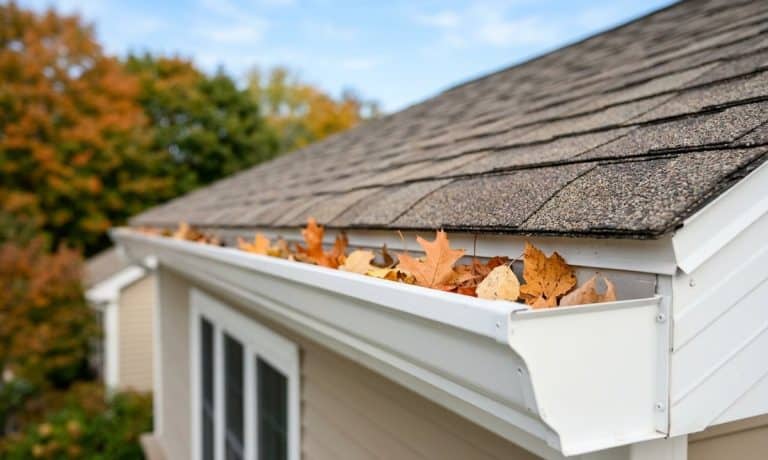
Fall calls for another gutter cleaning before leaves pile up and for sealing any small gaps around pipes or skylights. A quick check after the first hard frost helps catch cracks that open when temperatures drop.
Winter maintenance stays mostly visual from the ground. Watch for ice dams along the eaves and note any sagging that could worsen under snow load. Schedule a professional visit if you see repeated ice buildup in the same spots each year.
Knowing when to call a professional roofer
If your inspection turns up more than a few missing shingles or any interior water marks, it is time to bring in a trained eye. Small issues found early often cost less to fix than waiting for a full leak.
Roofs that are fifteen years old or older benefit from a professional review even when nothing looks wrong from the ground. Age combined with visible granule loss or curling edges usually means replacement planning should start.
After any major storm with high winds or hail, schedule an inspection rather than relying only on what you can see yourself. Professionals can check under the surface layers and spot damage hidden by overlapping shingles.
Understanding typical costs for inspections and repairs
A basic roof inspection usually falls in the low hundreds of dollars when done as a standalone service. Many contractors apply that fee toward any repair work they complete afterward.
Minor fixes such as replacing a few shingles or resealing flashing often run a few hundred dollars depending on access and materials. Larger sections of repair climb higher once labor and disposal enter the picture.
Full roof replacement varies widely based on size, pitch, and chosen materials. Homeowners can expect the largest share of the cost to come from labor and the removal of old layers rather than the new shingles alone.
Tips for selecting a qualified roofing contractor
Start by confirming that any contractor you consider carries both liability insurance and workers compensation coverage. Ask to see the certificates directly instead of taking a verbal assurance.
Request references from recent local jobs and take the time to contact two or three of them. A solid contractor will not hesitate to provide names and addresses of completed projects you can drive by.
Obtain written estimates from at least three different companies and compare what each one includes. Pay attention to details such as underlayment type, ventilation work, and cleanup rather than focusing only on the bottom line number.
Make sure the contract spells out start and finish dates, payment schedule, and warranty terms for both materials and labor. A clear written agreement protects both sides if questions arise during the job.